Casey Holt - Dubai
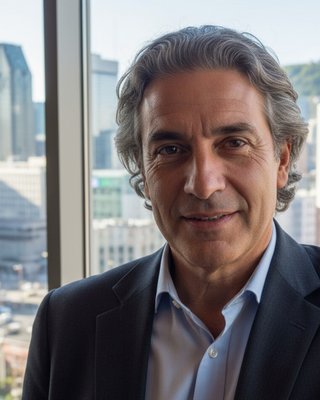
Casey Holt’s Dubai Studio Landscape
Dubai’s reputation as a global business hub extends into the creative economy, where flexible workspaces have proliferated alongside the city’s iconic skyline. As a blogger who documents the evolving ecosystem of studio rentals, coworking hubs, and independent artist collectives, Casey Holt navigates a market that balances high‑tech ambition with the practicalities of tax‑friendly free‑zone policies. The city’s willingness to accommodate international talent has resulted in a dense network of venues ranging from purpose‑built design districts to refurbished industrial warehouses that now host photography studios, video production suites, and digital design labs. For a writer chronicling these spaces, the challenge is to distill the nuance of each location - its connectivity, amenities, and community vibe - into actionable insights for readers seeking a pragmatic foothold in a fast‑moving market.
Regulatory Framework for Creative Workspaces in the UAE
Operating a studio in Dubai requires adherence to a layered set of regulations governed primarily by the Department of Economic Development (DED) and the myriad free zones that specialize in creative industries. The Dubai Design District (d3) and Dubai Media City, for example, offer streamlined licensing processes for “media‑related” activities, allowing creators to register under categories such as “advertising,” “photography,” or “digital content production.” These licences are typically renewable annually and come with obligations around office space size, employee visas, and corporate naming conventions. Outside the free zones, the DED mandates a “commercial” license that can be paired with a tenancy contract, but it imposes stricter limitations on the type of services offered without additional approvals. Understanding these distinctions is essential for any blogger advising peers on where to locate a studio, how to secure the right permit, and what compliance milestones to anticipate.
Typical Client Profiles in Dubai’s Creative Sector
The client base that regularly engages studio space in Dubai is notably diverse. Start‑up tech firms often require short‑term access to photo‑shoot facilities for product launches, while well‑established marketing agencies look for larger, climate‑controlled rooms that can accommodate multi‑camera video productions. International fashion houses, leveraging Dubai’s position as a regional runway hub, book studio time during Fashion Forward events to capture lookbooks that showcase both local and expatriate talent. Additionally, a growing contingent of freelance creators - graphic designers, animators, and virtual reality developers - seek day‑pass memberships that grant them flexible access without the overhead of a full office lease. For Casey Holt, profiling these client segments informs recommendations about which neighborhoods provide the most cost‑effective solutions and which venues offer the specific technical infrastructure that each client type demands.
Key Neighborhoods for Studio Workspaces
Al Quoz remains the historic heart of Dubai’s creative quarter, its industrial warehouses repurposed into loft‑style studios that appeal to photographers and videographers who value high ceilings and natural light. The area’s central location offers convenient links to the metro and major highways, making logistics for equipment transport straightforward. A newer magnet for designers and tech‑forward creators is the Dubai Design District (d3), a purpose‑built enclave that combines office towers with exhibition spaces, cafés, and a regulated licensing environment that simplifies paperwork for media‑related activities. Business Bay, with its skyscraper backdrop, houses a suite of high‑end coworking operators that cater to corporate clients seeking premium amenities and on‑site support services. Finally, the Jumeirah Lakes Towers (JLT) cluster presents a more budget‑friendly alternative, where larger floor plans can be subdivided into multiple workstations, supporting collaborative projects across a range of creative disciplines. Each of these districts carries its own cultural rhythm, cost structure, and community feel, all of which Casey Holt evaluates in his detailed location reviews.
Practical Local Notes for Visiting Creators
For creators arriving from abroad, the first practical step is to secure a short‑term work visa if they intend to operate a studio for more than 30 days. The UAE’s e‑visa system is efficient, but applicants should prepare a copy of their licensing paperwork and a letter of invitation from a local sponsor - often the coworking space itself. Transportation within Dubai is best managed through the Red Metro line, which connects Al Quoz, d3, and Business Bay, complemented by a robust network of rides‑hailing services for door‑to‑door mobility. Cultural etiquette remains an under‑current in professional interactions; while the city is internationally oriented, modest dress and a respectful tone are appreciated, especially when negotiating contracts with government‑linked entities. Finally, creators should budget for utility costs that can fluctuate based on climate control requirements; many studios bundle electricity and water into their rental fee, but stand‑alone leases may charge separately, impacting the overall cost of running a production schedule in the heat of the Arabian summer.
By weaving together regulatory insight, neighborhood character, and day‑to‑day logistics, this profile equips anyone interested in the dynamic Dubai creative scene with the knowledge needed to make informed decisions. Whether you are a solo photographer or an agency looking to expand eastward, the nuanced guidance offered by Casey Holt Dubai ensures that studio choices align with both business goals and the vibrant cultural pulse of the city.